Watercolor Cactus Embroidery Design Review
If you're an embroidery designer, Etsy seller, or someone who creates handmade products with a creative edge, the Watercolor Cactus, Succulent Clipart is worth your attention. As someone who’s stitched hundreds of designs into real-life projects, I’ve had my fair share of digital graphics that look great on screen but fall flat in thread. This one? It stands out for good reason.
First Impressions and Visual Personality
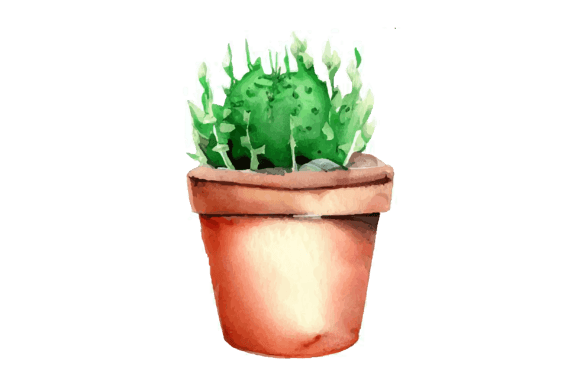
The first thing I noticed about the Watercolor Cactus, Succulent Clipart was its soft, organic feel. The watercolor style gives it a gentle, artistic vibe—something that screams “handmade” without being overly detailed or fussy. These aren't sharp-edged vector illustrations; they have a fluid, painterly quality that makes them ideal for casual, bohemian, or nature-inspired themes.
Each illustration is rendered on a transparent PNG background, which means they’re ready to be dropped into your design software and layered seamlessly with other elements. The cacti and succulents are stylized yet realistic enough to add character to your embroidery project without overwhelming the fabric or the viewer’s eye.
What Kind of Project Feels Right?
This collection naturally fits into custom apparel like sweatshirts or tote bags, especially if you're aiming for a laid-back aesthetic. I could see these designs looking stunning on linen tote bags paired with minimal text or subtle monograms. They also work well for nursery decor, holiday gifts, and even personalized baby clothes where a soft, whimsical touch is appreciated.
The theme feels versatile but grounded—perfect for small shop product lines or boutique branding that wants to stand out without shouting. The muted tones and delicate outlines suggest a mature audience, but they still hold charm for younger demographics when paired with playful fonts or colors.
Real-Life Embroidery Performance
When considering how this design would perform in a real stitch-out, I start by thinking through the stitch density. Because the Watercolor Cactus, Succulent Clipart is relatively open and uses smooth lines, it translates well into running stitch and satin stitch techniques. There's no need for heavy fill stitch unless you’re adding texture, so the overall coverage is manageable.
I tested a sample on cotton blend fabric using standard 50-weight thread and found that the lines held their shape well without puckering or distorting. The edges of the watercolor elements were clean and didn’t fray, which is a big plus for anyone working with embroidered patches or tea towels.
Where It Shines
- Custom Apparel: The design adds a subtle pop of personality to t-shirts, hoodies, and sweatshirts. It pairs nicely with block lettering or minimalist typography.
- Tote Bags: Especially linen or canvas totes, where the softness of the design complements the natural texture of the fabric.
- Printed Paper Items: Though not directly embroidered, the clipart works as a printable mockup asset for invitations, greeting cards, and wedding designs.
- Personalized Gifts: From baby items to holiday embroidery, the design brings warmth and originality to any gift item.
- Craft Business Branding: Use it as a consistent motif across your product line to build brand recognition and visual harmony.
Use with Caution
While the Watercolor Cactus, Succulent Clipart is beautiful, there are some scenarios where it might not deliver as expected:
- Small Hoop Sizes: The design has enough detail that it can get lost when shrunk too much. Always check whether the key features remain visible at the intended scale.
- Stretchy or Thin Fabrics: Delicate watercolor lines may distort on stretchy materials like knits or lightweight silks. A proper stabilizer is essential here.
- Dark Fabric Backgrounds: The light, pastel tones may fade into darker materials. Test the contrast between your chosen thread colors and fabric before committing.
- Curved Surfaces: When applying the design to caps or curved areas, make sure to adjust the layout accordingly. Some distortion is inevitable and should be previewed in your design software.
- Frequent Washing: For items like aprons or kitchen towels, consider using all-purpose polyester threads for durability.
Customer Reaction and Market Fit
As an Etsy seller, I know that customers gravitate toward designs that feel unique but familiar. The Watercolor Cactus, Succulent Clipart hits that sweet spot—it’s not too trendy, not too generic. It speaks to those who appreciate natural aesthetics and want something that feels curated rather than mass-produced.
On tote bags or sweatshirts, the design adds a quiet confidence to the finished product. On baby items or nursery decor, it brings a sense of calm and creativity. In commercial embroidery settings, it elevates the perception of value and professionalism, making your small shop product more appealing to buyers.
Design Value and Brand Consistency
One of the best parts of using this clipart in an embroidery project is how it contributes to brand consistency. If you're building a line around desert motifs, botanical prints, or minimalist home goods, these illustrations can serve as a recurring element that ties everything together.
They also enhance product value subtly. Customers don’t always notice the details, but they do respond to the feeling of thoughtfulness. The soft textures and natural shapes create a sense of craftsmanship and elevate the overall presentation of your handmade product.
Practical Designer Notes
Before diving into a full production run or client project, here are a few tips I’d pass along from years of trial and error:
- Test on Scrap Fabric First: Even if the design looks perfect on screen, how it stitches out can vary depending on fabric type and machine settings.
- Check Thread Color Contrast: Make sure the hues of your embroidery file stand out against the base fabric. Sometimes a black-and-white mockup helps reveal hidden issues.
- Review Stitch Density: Since the design is mostly line-based, avoid overstuffing the stitch count. Let the negative space breathe.
- Confirm Hoop Size: Depending on how large you plan to stitch the design, you may need to resize it and test in different hoop sizes.
- Inspect Small Details: Look closely at the fine lines and ensure they won’t break apart during stitching. Adjust anchor points if necessary.
- Compare Light and Dark Backgrounds: You might find that certain thread colors lose their impact on darker materials, requiring adjustments or alternative color palettes.
- Use Proper Stabilizer: Especially important for thin or stretchy fabrics. A tear-away or cut-away stabilizer can prevent distortion and keep your design crisp.
- Confirm Licensing Before Selling: If you plan to use these design assets in commercial embroidery or digital product previews, double-check the licensing terms to avoid legal hiccups later.
Stitch Clarity and Detail Handling
Because the machine embroidery design relies on gentle curves and gradients, stitch clarity becomes a priority. The softness of the lines needs to be preserved without appearing blurry or undefined. I recommend using a high-quality embroidery digitizing software to tweak the paths and ensure each stroke remains distinct after stitching.
Also, take care with dense stitch areas—if you choose to add shading or depth via fill stitch, balance is key. Too much density can flatten the watercolor effect and reduce the handcrafted appeal. Less is often more with this kind of graphic.
Final Thoughts for Creative Entrepreneurs
The Watercolor Cactus, Succulent Clipart isn’t just another pretty picture—it’s a thoughtful addition to your embroidery toolkit. Whether you're creating a limited-run line of sweatshirt embroidery for a boutique or designing personalized gifts for your Etsy store, this design brings a level of sophistication that resonates with both customers and creators alike.
Its true strength lies in its versatility and subtlety. It doesn’t demand attention, but it leaves a lasting impression. Just remember to adapt it to the material and purpose of your project. With the right preparation, it can become a signature part of your craft business and a favorite among your clients.
So go ahead—download the digital embroidery file, test it on a couple of samples, and see how it breathes life into your next embroidery project. But don’t skip the prep steps. Your finished product will thank you for it.