Unicorn Watercolor Review: A Soft Touch for Embroidery Projects
As a seasoned embroidery designer and product reviewer, I’ve tested countless machine embroidery designs to see how they translate from screen to fabric. The Unicorn Watercolor design caught my attention not just for its whimsical charm but also for its subtle elegance that stands out in today’s fast-paced craft market. Let me walk you through how this design performed in real-life embroidery scenarios, what it brings to the table, and where it might need careful handling.
A First Impression of Softness and Whimsy
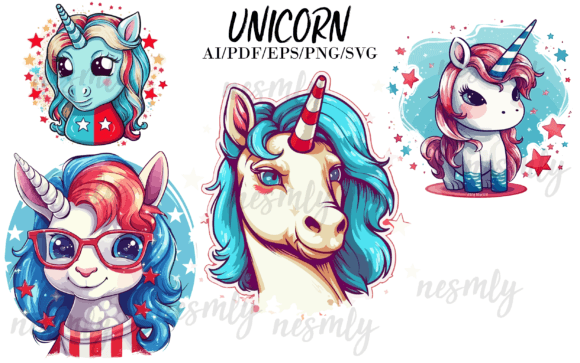
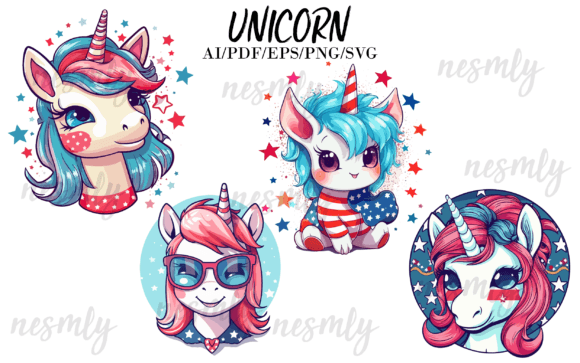
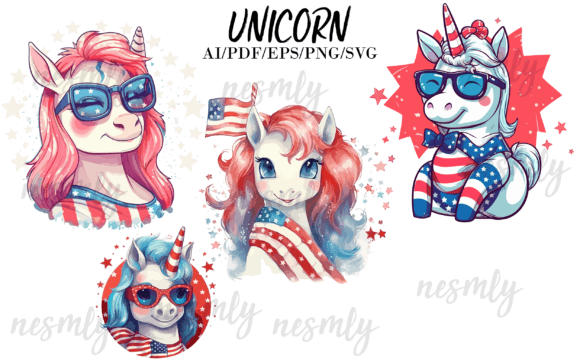
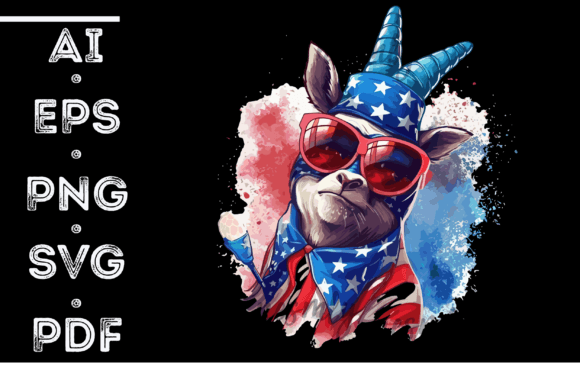
The first thing that struck me about Unicorn Watercolor is the gentle, dreamy mood it conveys. Unlike many bold or cartoonish unicorn illustrations, this one feels soft and artistic—almost like a watercolor painting come to life. Its flowing lines, blended hues, and delicate features make it ideal for projects that aim to evoke warmth and imagination without being overwhelming.
From a layout perspective, the design has a balanced composition with no overly complex elements that could interfere with stitchability. The shape is versatile enough to fit into various project types while maintaining its visual integrity. As an embroidery file, it doesn’t scream for attention; instead, it invites closer inspection, which is perfect for personalized gifts and handmade products.
Where Unicorn Watercolor Shines
I used Unicorn Watercolor on a custom embroidered sweatshirt for a children’s boutique client. The result was stunning. The pastel tones translated beautifully into thread colors, especially when using high-quality polyester threads. The blend of fill stitches and running stitch outlines gave the illustration a painterly look that felt both professional and handcrafted.
- Tote bags: This design works well as a central graphic. It adds a playful yet sophisticated touch that appeals to eco-conscious shoppers looking for unique, branded items.
- Custom apparel: On t-shirts and hoodies, the unicorn’s soft features are perfect for creating gender-neutral pieces that feel modern and inviting.
- Baby clothes and nursery decor: The calming palette makes it a great candidate for onesies, bibs, and pillow covers. It feels gentle and comforting, fitting right into the aesthetic of a child’s room.
- Embroidered patches: When stitched at a smaller scale, the details remain clear and charming, making it suitable for patchwork projects or adding accents to denim jackets.
- Holiday gifts and greeting cards: For Christmas aprons or birthday mugs, the unicorn adds a touch of fantasy without veering into tackiness. It’s subtle enough for adults and still appealing to kids.
- Etsy listings and small shop merchandise: The design enhances digital product previews and printable mockups, helping craft business owners showcase their work with confidence and style.
When to Handle with Care
While Unicorn Watercolor is visually pleasing, there are certain contexts where it requires more thoughtful application:
- Small hoop sizes: Because of the intricate blending and detail, stitching this design in a tiny hoop can lead to loss of clarity. Always confirm your machine’s capabilities before shrinking the design.
- Textured fabrics: Fabrics like flannel or canvas may alter the appearance of the design due to their uneven surfaces. Test the design on similar materials before committing to production.
- Stretchy or thin fabrics: Delicate or stretchy materials can cause distortion, especially in areas with tight curves or fine lines. Use stabilizer to maintain structure.
- Dark backgrounds: The soft pastels don’t pop as much on darker fabrics. Consider using lighter-colored bases or adjusting thread shades to ensure visibility.
- Curved surfaces: If you’re planning to use this design on caps or curved surfaces, be prepared to adjust the placement and possibly reformat the embroidery file for better alignment.
Design Impact on Product Value and Branding
In terms of product value, the Unicorn Watercolor elevates any item it’s applied to. Whether it's a sweatshirt embroidery piece or a decorative tea towel, the design gives off a premium, artisanal vibe. Customers appreciate the uniqueness and the soft aesthetic, which sets it apart from standard, mass-produced graphics.
For brand consistency, the design fits well with brands that focus on creativity, mindfulness, or family-friendly themes. Its muted colors and organic shapes align with a wide range of color palettes and styles, making it adaptable for different branding needs.
It also enhances giftability. The unicorn motif is universally loved, but this version avoids cliché by leaning into a more mature interpretation. It’s a design that parents would choose for baby items, and couples might love for wedding favors or anniversary gifts.
Designer Notes and Best Practices
Before diving into a full production run, here are some practical steps I recommend:
- Test on scrap fabric: Especially if you're using a new stabilizer or working with a tricky material. See how the stitch density holds up and whether the design remains intact after washing.
- Check thread contrast: Make sure the chosen thread colors stand out against your fabric base. Sometimes, even light pastels can fade depending on the background.
- Review fill and running stitches: The design uses a mix of these techniques. Be mindful of how they interact and whether they require additional support on thinner or stretchier materials.
- Confirm hoop size requirements: Though not specified in the product description, always check the recommended hoop size to avoid stretching or misalignment during stitching.
- Inspect small details: The unicorn’s mane and tail have subtle gradients that could become lost if not properly stabilized or scaled.
- Use black and white mockups: This helps assess how the design will look when printed digitally or viewed under different lighting conditions.
- Compare light and dark fabric results: You’ll find that it performs best on medium to light-toned fabrics. On dark fabrics, consider using metallic or contrasting threads to highlight key areas.
- Stabilizer is your friend: Especially for detailed corners and edges. Using proper backing ensures the final finished product looks clean and crisp.
- Verify licensing: If you plan to sell the embroidered patch or other commercial embroidery items, double-check the licensing terms included with the digital embroidery file.
Visual Appeal and Stitch Clarity
One of the standout qualities of Unicorn Watercolor is its ability to retain visual appeal after embroidery. The design doesn’t rely on sharp outlines or heavy satin stitch borders to define its shape. Instead, it uses soft transitions between colors, which require precise stitching to keep from blurring. This means it’s best suited for machines that can handle smooth stitch movement and accurate tension control.
If you’re targeting a craft fair product line or Etsy store, the design’s subtlety can help create a cohesive look across multiple items. Think of a set of embroidered kitchen towels paired with a matching mug or sticker. The unicorn becomes a recognizable element that ties your collection together, boosting buyer engagement and brand recognition.
Final Thoughts on Unicorn Watercolor
Overall, Unicorn Watercolor is a thoughtful and aesthetically pleasing illustration that brings a fresh approach to the unicorn theme. It’s not just another generic design—it’s something that can elevate your handmade product offerings with a sense of artistry and intentionality.
However, its beauty comes with a few caveats. It demands good equipment, stable materials, and a bit of extra care in setup. But for those who take the time to test and adapt, the payoff is a design that feels both personal and professional. Whether you're a small shop owner or a creative entrepreneur, this graphic offers a unique opportunity to add character to your embroidery project without sacrificing quality or coherence.
Remember, every design asset should speak to your audience and reflect your brand’s voice. Unicorn Watercolor does just that—offering a quiet, stylish presence that resonates in the right context. Just be sure to understand its strengths and limitations before integrating it into your workflow.