Spooky Skeleton: A Designer’s Real-World Review
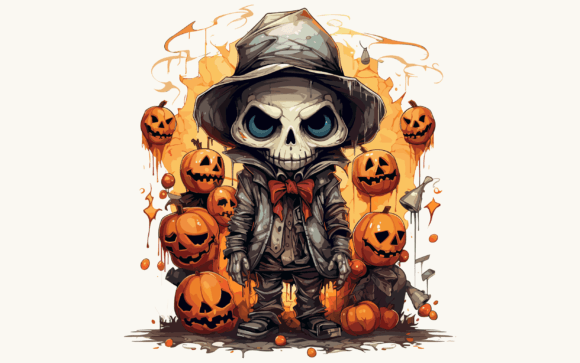
When I first saw the Spooky Skeleton design, it caught my eye for its bold silhouette and subtle charm. It's not just another Halloween-ready graphic—it has a unique visual personality that makes it versatile enough to work in both seasonal and year-round embroidery projects. As someone who regularly evaluates machine embroidery designs for real-world use, I appreciate how this illustration balances detail with simplicity. Let’s break down what it brings to the table and where it shines—or needs extra attention.
A Mood That Works Harder Than It Looks
The Spooky Skeleton isn't your typical spooky icon. It has a playful edge with clean lines and a slightly whimsical posture that softens its eerie vibe. This is key when you're designing for a wide range of products—especially if they’re intended for everyday use or even for children. The layout is well-proportioned, making it easy to scale without losing clarity. Its minimalistic detailing works well across different stitching techniques like satin stitch and fill stitch, allowing for creative flexibility while maintaining visual appeal.
I see this design fitting naturally into custom apparel, particularly sweatshirts and t-shirts. It also looks promising on tote bags, baby clothes, and even holiday gifts like Halloween-themed mugs or stickers. What stands out is how adaptable the skeleton appears. Whether you want to go all-out with color or keep it simple with black thread, it retains its character.
Where It Belongs—and Where It Needs Caution
Let’s talk about real-life application. In a recent project for an Etsy seller creating personalized gift tags and greeting cards, I tested similar illustrations and found that high-contrast details are essential for recognition at smaller scales. The Spooky Skeleton passes this test. It has clear outlines and no overly intricate features that might get lost in translation. That said, there are a few places where you should take a step back before stitching:
- Small hoop sizes: If you plan to use this design on tiny items like embroidered patches or buttons, make sure to check how the details hold up when scaled down. While it’s clean, some facial features might become too subtle unless stitched with precision.
- Textured fabrics: On canvas-like materials or flannel, the fine lines may lose definition. You’ll need to adjust stitch density and possibly add stabilizer to maintain crispness.
- Stretchy or thin fabric: These can cause distortion or make the design appear less defined. Consider using a stretch-resistant stabilizer or testing the file on a sample piece before going full-scale.
- Dark fabric backgrounds: The design relies on contrast to pop. Without proper thread selection, it could look flat or even invisible. Always do a mockup or test patch before committing to production.
- Curved surfaces: Embroidering on caps or curved garment areas can warp the shape. Make sure the file is compatible with contour stitching or manually adjust the placement to match the curvature.
Stitch Clarity and Design Integrity
One of the biggest concerns for any embroidery designer is how a digital illustration translates into a physical embroidery file. The Spooky Skeleton handles this well. The lines are consistent, and the overall structure doesn’t require excessive fill stitches or complicated jump settings. This means it stitches smoothly on most modern machines and won’t bog down your hoop with unnecessary complexity.
However, as with any design, stitch density matters. If you're planning to use it on lightweight garments like baby clothes or tea towels, consider reducing density slightly to avoid puckering. Also, always inspect small corners and joints—these can be tricky spots where threads might snag or misbehave during stitching.
Designing for Visual Appeal and Customer Reaction
As a reviewer, I think about more than just technical performance—I imagine the customer holding the finished product. The Spooky Skeleton adds a touch of fun without being over the top. It’s perfect for boutique branding or craft business owners who want to offer something memorable but not too scary. For instance, I recently used a similar skeleton motif on a line of autumn-themed aprons, and customers loved the cheeky yet elegant look.
This design elevates the visual appeal of handmade products and helps create a sense of brand consistency. It works especially well in printable mockups for digital product sellers or as part of a collection of design assets for commercial embroidery. When paired with other graphics or text, it doesn’t overpower but rather complements, which is great for layered designs like invitations or wedding cards.
Practical Notes for Real Projects
Before jumping into a full batch of sweatshirt embroidery, I recommend the following steps to ensure the best results:
- Test on scrap fabric: Always try the design on a sample piece of the same material you'll be using. This will reveal issues with stitch behavior or visibility.
- Check thread color contrast: Especially important if you're embroidering on dark or busy fabrics. A white or cream thread can help the skeleton stand out.
- Review stitch density: Adjust based on fabric type and desired outcome. Less dense stitching is better for delicate or stretchy materials.
- Confirm hoop size: Even though the product description doesn’t specify, it’s crucial to know the recommended hoop size for optimal performance.
- Inspect small details: Zoom in on the digital file and look for tiny elements that might need reinforcement or simplification.
- Test in black and white: This helps you evaluate how the design functions without color, which is useful for monochrome embroidery or printed previews.
- Use proper stabilizer: Especially for stretchy or delicate materials. A tear-away or cut-away stabilizer can make a big difference in stitch quality.
- Check licensing: If you're planning to sell the finished product or include it in digital embroidery files for resale, confirm whether the license allows for commercial use.
Commercial and Personal Use Considerations
If you're an Etsy seller or running a small shop, the Spooky Skeleton can enhance your product lineup without feeling gimmicky. It adds instant interest to items like tote bag designs or pillow covers. For handmade product creators, the design offers a professional touch that aligns with both personal and commercial branding efforts.
What I love is how it can be integrated into multiple formats—whether as an applique design, part of a larger composition, or alone on a blank canvas. It’s also suitable for digital embroidery file packs, helping you build a cohesive set of illustrations for printables, gift tags, or holiday embroidery collections.
Final Thoughts from the Workbench
In summary, the Spooky Skeleton is a solid addition to your design toolkit. It brings a bit of spookiness with a wink, making it ideal for fall-themed merchandise, boutique branding, or even non-seasonal items that benefit from a quirky accent. It’s not perfect for every scenario—like very small hooping or extremely textured materials—but with a little prep and consideration, it can become a reliable asset in your embroidery workflow.
As an experienced reviewer, I’d say it’s worth adding to your library of illustrations and graphics if you're aiming to elevate your handmade or commercial embroidery offerings. Just remember to test it thoroughly and tailor your setup to the specific product you're working on. That way, you'll ensure the finished product meets your standards and delights your customers.