Butterfly American Flag: A Designer’s Real-World Review
As an embroidery designer who regularly evaluates graphics for real-world use, I’m always on the lookout for designs that balance visual appeal with practical stitchability. The Butterfly American Flag caught my eye not just for its patriotic theme but for how it might translate into a variety of handmade and commercial projects. Let me walk you through my thought process as I assess this design from a professional standpoint.
First Impressions: Mood and Visual Personality
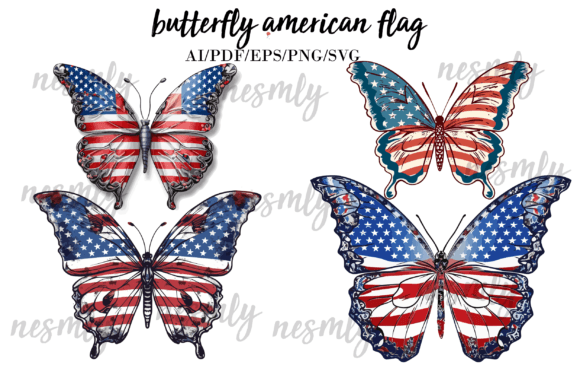
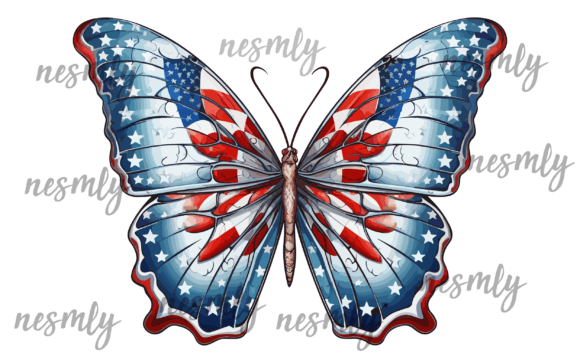
The Butterfly American Flag is a graphic illustration that blends the softness of a butterfly with the bold symbolism of the U.S. flag. At first glance, it feels both elegant and spirited—like a gentle nod to freedom and creativity. The layout is well-balanced, with the butterfly wings forming the backdrop for the flag elements. This duality makes it versatile; it can feel whimsical when used in smaller items like stickers or wedding cards, and more traditional when applied to larger surfaces such as tote bags or sweatshirts.
I noticed the level of detail is moderate, which is ideal for most embroidery machines. Too much intricacy can lead to stitching issues, especially in fill areas. Here, the red and blue stripes are simplified but still recognizable, while the stars are cleanly defined without being overly complex. The overall shape is symmetrical and structured, making it easier to position accurately on a garment or product.
Where It Naturally Fits
This design seems to belong in custom apparel, baby clothes, holiday gifts, and boutique-style products. Its patriotic tone could be perfect for 4th of July merchandise or as part of a summer collection. It also works well as an embroidered patch for military-themed accessories or even as a subtle decorative element on aprons and tea towels. The theme is broad enough to adapt across many industries—from small shop branding to personalized gift items.
Real-Life Embroidery Performance
Let’s imagine I’m preparing a custom embroidered tote bag for a client who wants a unique take on patriotism. The Butterfly American Flag would add a fresh twist to a classic motif. On cotton twill, the satin-stitched wings would lay flat and pop against the background, while the flag details would remain clear and legible. For a project like this, the design holds up well in terms of stitch clarity and visual impact.
In sweatshirt embroidery, the same graphic could work beautifully if placed on the back upper area or down the sleeve. The contrast between thread colors will help the design stand out, especially if using white or light-colored fabric. However, on stretchy fabrics like spandex-blend hoodies, the design may need careful testing due to potential distortion in the fill areas.
If I were creating a handmade product for Etsy, such as a baby blanket or nursery pillow cover, this design could serve as a standout feature. The mix of organic (butterfly) and structured (flag) elements gives it a layered look that feels intentional and thoughtful. As a design asset, it brings a sense of sophistication to otherwise simple items, enhancing their perceived value.
What to Watch Out For
- Small Hoop Sizes: While the design is compact enough for some applications, placing it in a tiny hoop could compromise the visibility of the flag details. Always check the recommended hoop size before committing to production.
- Textured Fabrics: If you're working with canvas, denim, or flannel, you’ll want to test stitch density. These materials can cause stitches to bunch or pucker, especially in dense fill areas.
- Thin or Stretchy Materials: Delicate fabrics like silk or polyester blends might struggle to hold the weight of multiple layers of satin or fill stitching. Similarly, stretchy materials can distort the shape if not stabilized correctly.
- Dark Backgrounds: The design uses standard American flag colors—red, white, and blue—but on black or dark-colored fabric, the white threads might not be as vibrant. Consider using metallic or variegated thread options to enhance visibility.
- Curved Surfaces: Applying this design to a curved surface like a cap or hat could require some repositioning and resizing. Make sure to test the design on similar curves to ensure it doesn’t lose its form.
- Detailed Corners: The edges where the flag meets the butterfly wings are sharp and clean. But if you're using a machine that struggles with tight corners, those sections might need manual adjustment or simplification.
Customer Reactions and Market Appeal
From a customer perspective, the Butterfly American Flag evokes a sense of pride with a creative flair. It's not your typical flag design—it adds a touch of originality that stands out in a crowded market. For an Etsy seller or craft business owner, this kind of uniqueness can make all the difference in buyer engagement. People are drawn to items that tell a story, and this design does exactly that.
On personalized gifts like mugs or invitation cards, the graphic adds a meaningful yet stylish touch. It’s subtle enough not to overwhelm text or other embellishments, yet bold enough to leave a lasting impression. In commercial embroidery settings, it helps maintain brand consistency by offering a signature look that can be replicated across various product types.
Professional Use and Brand Value
When considering the professionalism of a finished product, the Butterfly American Flag scores high. It’s clean, well-proportioned, and avoids unnecessary complexity. That said, the design should be tested for stitch quality on different materials and machines. Stitch density in the flag’s stripes and the wing fills must be adjusted according to the fabric you're using.
For commercial embroidery projects, it's essential to confirm whether the digital embroidery file includes proper licensing. Many illustrative designs aren't suitable for mass production unless explicitly stated. If you're planning to sell finished items or include this as a digital product preview, double-check the permissions before proceeding.
Design Notes for Embroidery Success
- Test on Scrap Fabric First: Before stitching on your final product, run a sample on a piece of scrap material to evaluate tension, color accuracy, and stitch flow.
- Check Thread Color Contrast: Especially important if using dark backgrounds. You may need to tweak the white elements or switch to a brighter alternative.
- Review Stitch Density: High-density areas like the flag’s stars and stripes might require stabilizer to prevent puckering or pulling through the fabric.
- Confirm Hoop Size: If the design recommends a specific hoop size, follow it. Using a smaller hoop than advised can lead to misalignment or loss of detail.
- Inspect Small Details: The flag’s outlines and the butterfly’s body have fine lines. Ensure your machine can handle these without skipping or distorting stitches.
- Use Proper Stabilizer: Whether you're working on a delicate item like a baby onesie or a heavier one like a tote bag, stabilizer is key to keeping everything looking crisp after washing.
- Test in Black and White Mockups: Sometimes, color choices don’t translate as expected. A grayscale test can help you see how the design reads visually without relying on thread color alone.
- Compare Light and Dark Fabrics: The design’s visibility varies depending on the base fabric. Always stitch samples on both ends of the spectrum to ensure consistent results.
- Check Machine Compatibility: If the design isn’t specifically labeled for home or industrial embroidery machines, confirm compatibility before large-scale use.
- Confirm Licensing for Sales: If you plan to use the Butterfly American Flag in a commercial setting, make sure the licensing allows for resale of finished goods or digital assets.
Final Thoughts for Makers and Sellers
The Butterfly American Flag is a compelling design for anyone looking to blend patriotic imagery with artistic expression. It has the right amount of detail to feel authentic without overwhelming the machine or the viewer. Whether you’re a hobbyist adding it to a personal project or a small business owner preparing for a seasonal sale, this design offers a fresh angle on a classic symbol.
Its performance in real-life embroidery scenarios is solid, provided you take the necessary precautions for fabric type and machine capability. With thoughtful application, it can elevate your handmade products and boost buyer engagement through its unique visual narrative.
Remember, every embroidery project starts with a good design, but success lies in how well you understand its limitations and strengths. Treat the Butterfly American Flag like any other machine embroidery design: with care, curiosity, and a willingness to test and adapt.