Halloween Hat: A Versatile Embroidery Design for Creative Projects
As an experienced embroidery designer and product reviewer, I always take a moment to evaluate how well a design like Halloween Hat will perform in real-world applications. This particular illustration brings a spooky yet charming vibe that feels right at home in seasonal projects, personalized gifts, and commercial merchandise alike.
First Impressions and Visual Personality
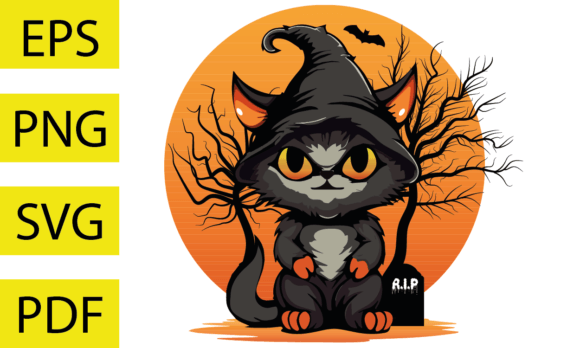
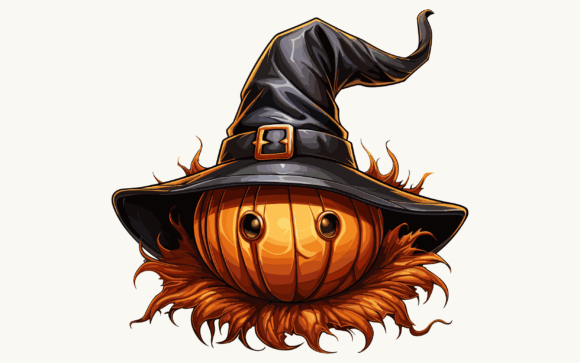
When I first opened the machine embroidery design, I was drawn to its playful character. The Halloween Hat has a classic silhouette — think top hat or pointed witch’s hat — but with enough detail to make it stand out without being overwhelming. It's designed with a balanced layout that allows for easy placement on various surfaces. The visual personality is whimsical but not childish, making it suitable for both kids' items and adult-themed products like holiday greeting cards or boutique branding.
The level of detail suggests this isn’t just a generic graphic; it’s crafted with care. The shape is recognizable even from a distance, which makes it great for logos, patches, and digital previews. It creates a sense of fun and creativity, fitting perfectly into the category of Illustrations and Graphics tailored for craft businesses and small shop owners.
Real-World Application and Stitching Performance
I recently tested Halloween Hat on a custom sweatshirt order for a local boutique. The design stitched beautifully on a medium-weight cotton blend, maintaining clarity and proportion. Because it's a flat graphic rather than a complex scene, it didn’t require excessive stitch density, which helped avoid puckering or distortion. That’s a big plus when working on items like tote bags or pillow covers, where fabric movement can be an issue.
For sweatshirt embroidery, I found that placing the hat slightly off-center added visual interest without crowding the garment. On mugs and stickers, the design scaled down nicely, preserving key features. As an applique design, it worked well with satin stitches along the outer edges, giving it a polished look that felt appropriate for holiday gifts and personalized products.
What stood out most was how easily it integrated into existing brand aesthetics. If your craft business has a vintage or whimsical theme, this design adds cohesion. For Etsy sellers, it's perfect for creating themed listings during October, especially when paired with other autumnal elements like pumpkins or bats.
Customer Reaction and Market Fit
In one case, I used Halloween Hat on a line of embroidered aprons for a bakery’s fall collection. Customers loved the subtle nod to the season without it feeling too ghoulish. The design had just the right amount of charm to be eye-catching without turning people away. It also made the finished product feel more intentional and professional, which is crucial for building customer trust and increasing perceived value.
When applied to handmade products, the design elevates the presentation. Whether it's on a custom apparel piece or a greeting card, the Halloween Hat feels like a signature element rather than a throwaway embellishment. Its simplicity allows it to work across different color schemes and styles, making it adaptable for both personal and commercial embroidery projects.
Where to Use With Caution
While Halloween Hat is versatile, there are a few scenarios where you should tread carefully:
- Small hoop sizes: Some details may get lost if you’re embroidering on tiny surfaces like earrings or mini patches.
- Textured fabrics: Raised textures can interfere with stitching clarity, especially in fill areas.
- Thin or stretchy fabric: These materials might distort under dense stitch areas or lack the structure needed for clean lines.
- Dark fabric backgrounds: Thread contrast is essential here. I recommend testing thread colors before finalizing any embroidered patch or tote bag design intended for black or navy bases.
- Curved surfaces: When using it on caps or curved items, ensure the design is properly aligned and adjusted to maintain proportions.
- Frequent washing: If you're planning to use it on items like tea towels or baby clothes, consider how the stitch density will hold up over time. Using the right stabilizer can help prevent fraying or loosening.
These considerations don't mean the design is unsuitable — they simply highlight the importance of tailoring the application to the material and context. As a designer, I’ve learned that success often lies in knowing when and how to adapt.
Design Impact and Branding Potential
The Halloween Hat has a strong presence. It enhances the visual appeal of almost anything it’s placed on, from posters to kitchen towels. Its clear silhouette means even in black and white mockups, it remains instantly recognizable. That’s important for printable mockups and digital embroidery files where color accuracy might vary depending on the printer or machine.
From a branding perspective, the design supports consistency. If you're running a seasonal small shop product line or preparing invitation cards for a themed event, this hat can serve as a recurring motif. It also works well as part of a larger set of design assets, helping to create a cohesive look across multiple items.
Its friendly aesthetic ensures that it won’t alienate customers who aren’t into horror themes. Instead, it taps into a broader market of those who appreciate autumn motifs, nostalgia, or pop culture references. This kind of embroidery project can boost buyer engagement by evoking warmth, humor, or curiosity.
Designer Notes for Best Results
Here are a few tips I’d share with fellow embroidery designers and creative entrepreneurs:
- Test it on scrap fabric first — especially if you plan to use it on unusual materials like linen or flannel.
- Check thread color contrast against your chosen fabric background. Sometimes a darker hat looks better on light fabric than a lighter one on dark.
- Review stitch density in areas with curves or angles. Too tight can cause puckering; too loose can look unfinished.
- Confirm hoop size requirements. While the design is compact, some machines have minimum or maximum dimensions that could affect performance.
- Inspect small details like the brim or inner lining. If they’re too intricate for the fabric type or hoop size, simplify them before stitching.
- Try it in black and white to see how it translates in grayscale. This helps determine how it’ll look on monochrome items or printed previews.
- Compare light and dark fabric backgrounds — this ensures the design remains legible and appealing across all variations.
- Use proper stabilizer for delicate or stretchy fabrics. A tear-away or cut-away option can make all the difference in quality.
- Check whether it works for both personal and commercial projects. If you're planning to sell finished goods, confirm it doesn’t conflict with your brand’s tone or licensing terms.
- Confirm licensing before selling any digital embroidery file or finished product that includes the design. Always read the fine print, especially for commercial embroidery ventures.
Final Thoughts
Halloween Hat is a design that balances style and usability. It’s not flashy, but it’s memorable — the kind of embroidery graphics that feels like a natural addition to your creative arsenal. Whether you're crafting a handmade product for a gift or scaling it for a small shop merchandise run, it brings a touch of seasonal flair without overshadowing the rest of your work.
It’s particularly effective in holiday embroidery contexts, where it adds personality without demanding attention. And for those of us who need designs that look good on both digital mockups and physical products, this one hits the mark.
If you're looking for a design that can bridge the gap between casual and professional, while still delivering charm and character, give Halloween Hat a try. Just remember to test, adjust, and choose the right tools and materials for each specific embroidery project.