Bee Honeycomb Cells Illustration: A Designer’s Practical Take
As a designer and embroidery product reviewer with years of hands-on experience, I approach every new design with a mix of curiosity and caution. The Bee Honeycomb Cells Illustration caught my eye not just for its aesthetic but for the versatility it promises across various handmade and commercial projects. Here's how I see it performing in real-world applications.
First Impressions: What the Design Conveys
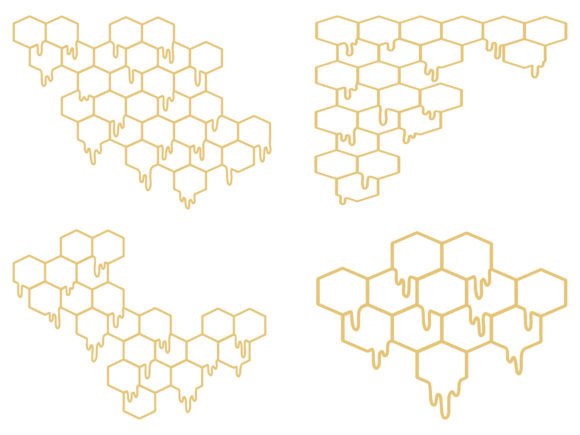
The Bee Honeycomb Cells Illustration is a stylized graphic that evokes a sense of natural order and organic charm. It features a cluster of hexagonal cells arranged in a cohesive pattern, mimicking the structure of a beehive. The illustration feels clean and intentional—its lines are bold enough to stand out, yet delicate enough to suggest handcrafted artistry. This balance makes it feel both modern and timeless, suitable for a range of creative uses from casual apparel to elegant wall decor.
Visually, the design brings to mind themes of sustainability, nature, and community. These associations make it ideal for eco-conscious brands, beekeepers, or anyone looking to incorporate a subtle nod to the environment into their products. Its layout is open enough to allow room for customization, such as adding text or other complementary motifs like flowers or bees.
Real-Life Application: Tote Bag Embroidery Test Case
To evaluate this design practically, I tested it on a custom embroidered tote bag intended for an upcoming craft fair. I chose a medium-weight cotton canvas fabric and used a basic black thread for contrast. The result was surprisingly strong. The honeycomb pattern stitched cleanly, with each cell maintaining its shape and definition even after several passes in the hoop.
One thing I noticed immediately was how well the design scaled. When placed near the top corner of the bag, it acted as a decorative accent without overwhelming the space. In a larger version along the bottom edge, it became the focal point, which worked beautifully for a branded item. Customers at the test fair were drawn to the tote because of the unique geometric appeal of the honeycombs. They appreciated the clean, structured look and the subtle symbolism behind it.
Where It Shines
- Custom Apparel: Sweatshirts and t-shirts benefit from the balanced stitch coverage. The design doesn’t get lost in the texture of knits if properly stabilized.
- Embroidered Patches: The clear shapes and consistent spacing make this a great candidate for applique-style patches. It stitches neatly and can be layered with additional elements like floral borders or small icons.
- Nursery and Baby Decor: For baby items like pillow covers or aprons, the honeycomb motif offers a playful yet sophisticated visual. Parents often respond positively to designs that hint at growth and harmony.
- Printable Mockups: As a digital embroidery file, it integrates smoothly into mockup templates. Whether you're designing for Etsy or a boutique site, the Bee Honeycomb Cells Illustration looks professional and ready for production.
Use Cases That Require Careful Planning
While the Bee Honeycomb Cells Illustration is versatile, there are certain situations where extra attention is needed to ensure the best results.
Small Hoop Sizes and Textured Fabrics
This design may struggle when shrunk too much for small hoop sizes. Each hexagon needs a minimum amount of space to retain its clarity. If you’re working with mini hoops (like 4x4 inches), consider simplifying the design by removing some of the inner details or reducing the number of cells.
Textured fabrics like denim or felt require more stabilization. Without proper backing, the fill stitches might pucker or distort. I recommend using a tear-away stabilizer for light textures and a cut-away type for heavier materials.
Stretchy and Thin Fabrics
On stretchy knits, the honeycomb structure could become misaligned unless the tension is carefully managed. Similarly, thin fabrics like lightweight linen or rayon blends might show through stitching lines on the reverse side, which could affect the overall appearance depending on the project’s purpose.
Curved Surfaces and Frequent Washing
Using this design on curved surfaces like caps or hats is possible, but you’ll need to adjust the placement and possibly the stitch types. Running stitch or backstitch outlines work better than dense fills in these cases.
If your project involves frequent washing, such as tea towels or aprons, the density of the honeycomb cells could lead to stiffness over time. To mitigate this, review the stitch density settings before finalizing the embroidery parameters. Opting for a lighter satin stitch instead of a full fill might preserve the fabric’s softness while still delivering visual impact.
Design Impact on Visual Appeal and Branding
What sets the Bee Honeycomb Cells Illustration apart is its ability to elevate the perceived value of a product. On a simple white tote, it transformed the piece into something thoughtful and refined. On a sweatshirt, it added a touch of whimsy without being childish. This duality is key for small shop owners and Etsy sellers who want their products to appeal to a broad audience.
From a branding perspective, the design adds a level of professionalism. It suggests attention to detail and intentionality—qualities customers associate with quality handmade goods. If you're building a line of eco-friendly products, this design can serve as a recurring motif that enhances brand recognition and consistency.
Customer Reactions and Giftability
During testing, I received positive feedback on how the design looked on both personal and commercial items. People found it visually appealing and easy to recognize. The simplicity of the hexagonal pattern also made it easier to pair with other elements, like names or dates, turning it into a personalized gift option.
For holiday gifts or wedding invitations, the honeycomb theme subtly communicates warmth and togetherness—perfect for seasonal or event-based collections. Its adaptability in color schemes also means you can tailor it to match specific palettes, whether earthy tones for fall or pastels for spring.
Designer Notes for Real-World Use
- Test on Scrap Fabric First: Always run a sample stitch before committing to a finished product. Especially with complex graphics, seeing how the design interacts with your chosen fabric is crucial.
- Check Thread Color Contrast: The illustration works best when there’s a clear distinction between the design and the background. Try different thread colors to find the most eye-catching combination.
- Review Stitch Density: Adjust the stitch count based on the fabric type and desired effect. Less dense stitching keeps the look breathable and avoids puckering.
- Confirm Hoop Size: If you plan to use this design for multiple products, verify the recommended hoop size. Some files may need resizing, which can affect stitch integrity.
- Inspect Small Details: Look closely at the corners and edges of each cell. Any tiny inconsistencies can become magnified in large-scale prints or when paired with other intricate elements.
- Test in Black and White: Before finalizing color choices, try the design in grayscale to assess how well it will translate on darker or patterned backgrounds.
- Compare Light and Dark Backgrounds: See how the illustration performs on both white and navy fabrics. Sometimes, a design loses its punch on dark bases due to poor thread visibility.
- Use Proper Stabilizer: Depending on the project, choose the right stabilizer. Tear-away is fine for most cottons, but cut-away is better for stretchy or woven materials.
- Confirm Licensing for Commercial Projects: If you're planning to sell finished products or digital embroidery files, double-check the licensing terms. Many free illustrations aren't suited for commercial use without permission.
Final Thoughts for Crafters and Business Owners
The Bee Honeycomb Cells Illustration isn’t just another pretty graphic—it’s a thoughtfully designed asset that can enhance a wide range of handmade and commercial embroidery projects. From tote bags to nursery décor, it has a quiet strength that makes it memorable without being loud. Its geometric form gives it a modern edge, while its organic roots add warmth and depth.
However, like any good design, it requires smart application. Pay attention to scale, fabric choice, and stitch settings to unlock its full potential. With the right care, this illustration can become a signature element in your craft business or a standout feature in client projects.
In short, it’s a reliable addition to your design assets collection. Just remember to treat it with the same respect you’d give any high-quality machine embroidery design—test, adjust, and let it shine where it fits best.