Aesthetic Flower: A Designer’s Practical Review
When evaluating a machine embroidery design for real-world use, it’s essential to look beyond the visual appeal and consider how it will perform across various materials, projects, and customer expectations. Aesthetic Flower is one of those illustrations that catches your eye with its soft curves and delicate lines, but as an experienced designer and product reviewer, I want to know if it can truly work in practical applications—like custom apparel or handmade gifts.
First Impressions and Visual Personality
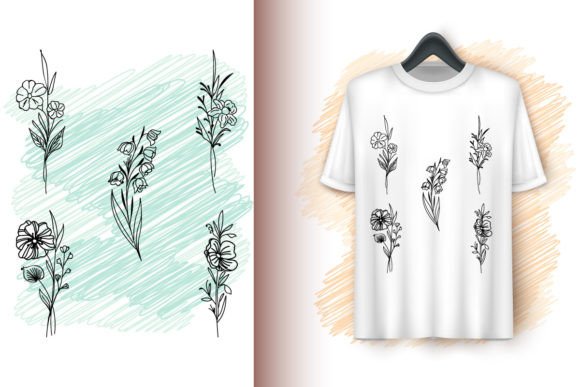
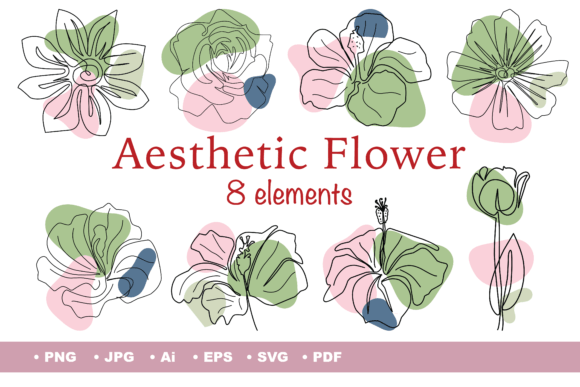
The first thing that stands out about Aesthetic Flower is its elegant simplicity. It feels hand-drawn yet polished, making it versatile for both modern and vintage aesthetics. The layout is balanced, with petals that gently extend outward, giving the design a sense of movement and grace. This kind of organic feel makes it ideal for stationery, logos, and wall art—especially when paired with handwritten fonts or minimalist text.
Its color palette is subtle and harmonious, which works well for a wide range of products. However, since it’s presented as an illustration rather than a specific embroidery file, it’s important to understand how thread colors and stitch types will affect the final look. For instance, using a single satin stitch on a dark fabric might mute the flower’s charm, while layered fill stitches could enhance depth and detail.
Real-Life Application: A Custom Embroidered Tote Bag
Let’s imagine a scenario where you're preparing a tote bag for a boutique client who sells natural skincare products. You want the embroidered design to reflect their brand values—simple, eco-friendly, and stylish. Aesthetic Flower fits perfectly here. When stitched onto a medium-weight cotton canvas with contrasting thread colors, it adds a touch of sophistication without overwhelming the fabric.
However, keep in mind that tote bags are often used for carrying heavy items. Dense stitch areas in the design may lead to puckering or stiffness if not stabilized properly. I recommend using a tear-away stabilizer underneath and testing the design on a scrap piece of the same fabric before committing to a full batch. Also, if the tote has a curved handle area, avoid placing the flower there unless you’re using a patch method.
Performance Across Different Embroidery Projects
Aesthetic Flower performs admirably in many embroidery scenarios. Here’s a breakdown of how it fares in common project types:
- Sweatshirt Embroidery: The flower looks great on cotton or cotton-blend sweaters. Its soft lines complement the cozy vibe of a sweatshirt, especially when placed near the chest area. Just be cautious with stretchy knits; hoop tension must be tight to prevent distortion.
- Baby Embroidery: Ideal for onesies, bibs, or pillow covers. The gentle shapes are perfect for a nursery aesthetic. But again, thin or stretchy fabrics need careful handling to ensure the design holds up through frequent washing.
- Embroidered Patch: As an applique design, it works well when stitched onto felt or fusible web. The details remain clear even after being cut from the backing, making it suitable for adding to backpacks, denim jackets, or leather goods.
- Holiday Gifts: Whether it's a personalized ornament or a festive tea towel, the flower brings warmth and charm. It’s also adaptable for seasonal variations by swapping out thread colors.
- Wall Art and Decor: On linen or canvas, the flower becomes a statement piece. Use high-quality threads and a proper stabilizer to maintain crisp edges and vibrant colors over time.
- Commercial Embroidery: If you're using this in a small shop or Etsy listing, the design offers enough uniqueness to stand out but remains timeless enough to avoid looking dated quickly. It’s especially good for branding—think packaging labels or logo accents.
Where to Use With Caution
While Aesthetic Flower is visually appealing, it does have some limitations depending on the embroidery context. Here are a few situations where extra attention is needed:
- Small Hoop Sizes: The intricate lines may get lost if the design is shrunk too much. Always check the minimum recommended hoop size, or better yet, test it yourself before applying it to tiny tags or caps.
- Textured Fabrics: Stitching on flannel or twill can cause the design to lose clarity. Consider simplifying the stitch density or adjusting the placement so the texture doesn’t interfere with the floral details.
- Dense Stitch Areas: Some parts of the flower contain fine details that require lower stitch density to avoid fabric distortion. If you're working with lightweight materials like rayon or silk, reduce the stitch count to preserve drape and comfort.
- Dark Fabric Backgrounds: Thread contrast is key. Lighter thread colors on dark backgrounds may not show up as intended. Try using black outlines or metallic threads to make the flower pop.
- Curved Surfaces: Avoid placing the full design on curved surfaces like hats or rounded patches unless you’re prepared to split the design and reposition it carefully.
Visual Appeal vs. Stitching Clarity
One of the most important factors for any embroidery design is how it translates from digital illustration to stitched reality. Aesthetic Flower maintains its elegance well, but some elements—like the inner petal lines or subtle shading—may become less visible depending on the fabric and thread choice.
I suggest converting the design into a black-and-white mockup to evaluate stitching clarity before purchasing the digital embroidery file. This helps identify potential issues with tiny lettering or complex corners that might break during stitching. If the flower includes very detailed shading, you may want to simplify it slightly for better performance on thinner materials.
Customer Reaction and Project Value
From a buyer engagement standpoint, Aesthetic Flower is a winner. It conveys a sense of care and craftsmanship that appeals to customers looking for meaningful, personalized products. In my experience, floral motifs are consistently popular among craft buyers, especially for wedding gifts, baby items, and holiday décor.
Using this design on a handmade product can elevate its perceived value. For example, an embroidered apron with Aesthetic Flower along the waistband feels more premium than a plain one. Likewise, greeting cards or party tags with the flower subtly stitched in can create a memorable unboxing experience for clients.
But don’t forget to confirm licensing before selling finished products or digital design assets. Many illustrations aren't commercial-friendly unless explicitly stated. Always double-check the terms to avoid legal pitfalls later on.
Practical Design Notes for Real Projects
Here are some tips I’ve gathered from using similar designs in production settings:
- Test on Scrap Fabric First: Especially if you're planning to mass-produce tote bags or aprons. It gives you a chance to adjust stitch types and thread colors based on actual results.
- Check Thread Color Contrast: Use a light-colored thread on pastels or a darker shade on bright fabrics to ensure visibility and balance.
- Review Stitch Density: Too dense, and the fabric stiffens. Too loose, and the design loses definition. Find the sweet spot for each material type.
- Confirm Hoop Size: Make sure the design isn’t being stretched or compressed due to an incorrect hoop. This affects both appearance and durability.
- Inspect Small Details: Look closely at the inner linework and see how they’ll hold up under different stitch settings. Sometimes a simple running stitch can replace a complex fill stitch without losing the essence of the design.
- Compare Light and Dark Backgrounds: See how the flower interacts with both. It may behave differently on white versus navy, especially with multi-color thread combinations.
- Use Proper Stabilizer: Tear-away or cut-away stabilizers can make all the difference in maintaining shape and preventing puckering, especially on delicate or stretchy materials.
- Brand Consistency: If you plan to use Aesthetic Flower as part of your design assets, ensure it aligns with your overall brand identity. Will it look cohesive with your other graphics and typography?
Giftability and Recognition
As a designer who creates personalized gifts for clients, I appreciate how Aesthetic Flower adds a quiet elegance to any item. Whether it's a monogrammed pillow cover or a custom baby blanket, the flower enhances the gift’s emotional value. It’s also recognizable—something that’s crucial for brand consistency and repeat business.
Customers tend to associate flowers with celebration, growth, and beauty. That makes this design particularly effective for events like weddings, birthdays, or anniversaries. Pair it with initials or a short phrase for a bespoke touch that stands out in a market flooded with generic options.
Final Thoughts for Creative Makers and Business Owners
In summary, Aesthetic Flower is a beautiful, versatile design that deserves a place in your creative toolkit—but only if you apply it thoughtfully. It’s not just about how it looks digitally; it’s about how it behaves in the real world, from stitch tension to washability.
If you're an Etsy seller, small shop owner, or someone building a line of handmade products, take the time to understand how this illustration will translate into your finished product. Consider the fabric, thread, and application carefully. And remember: always test before you commit, especially when working with new design files or unfamiliar materials.
With the right preparation, Aesthetic Flower can add a layer of professionalism and charm to your work. It’s not just an illustration—it’s a design that invites emotion and intention. And that’s exactly what your customers are looking for.